
Affiliate revenue vs ad revenue is a hot topic in the digital marketing arena, where businesses are constantly seeking innovative ways to monetize their online presence. As we dive into this comparison, we’ll explore how affiliate programs can offer lucrative opportunities for marketers while also examining the traditional ad revenue models that have stood the test of time. Get ready to uncover the nuances of these two revenue streams, their effectiveness, and what might work best for your online strategy.
This exploration will shed light on how affiliate revenue hinges on successful partnerships and traffic sources, while ad revenue thrives on varying models like CPM and CPC. Understanding these distinctions is key for anyone looking to maximize their earnings in the dynamic online landscape.
Understanding Affiliate Revenue
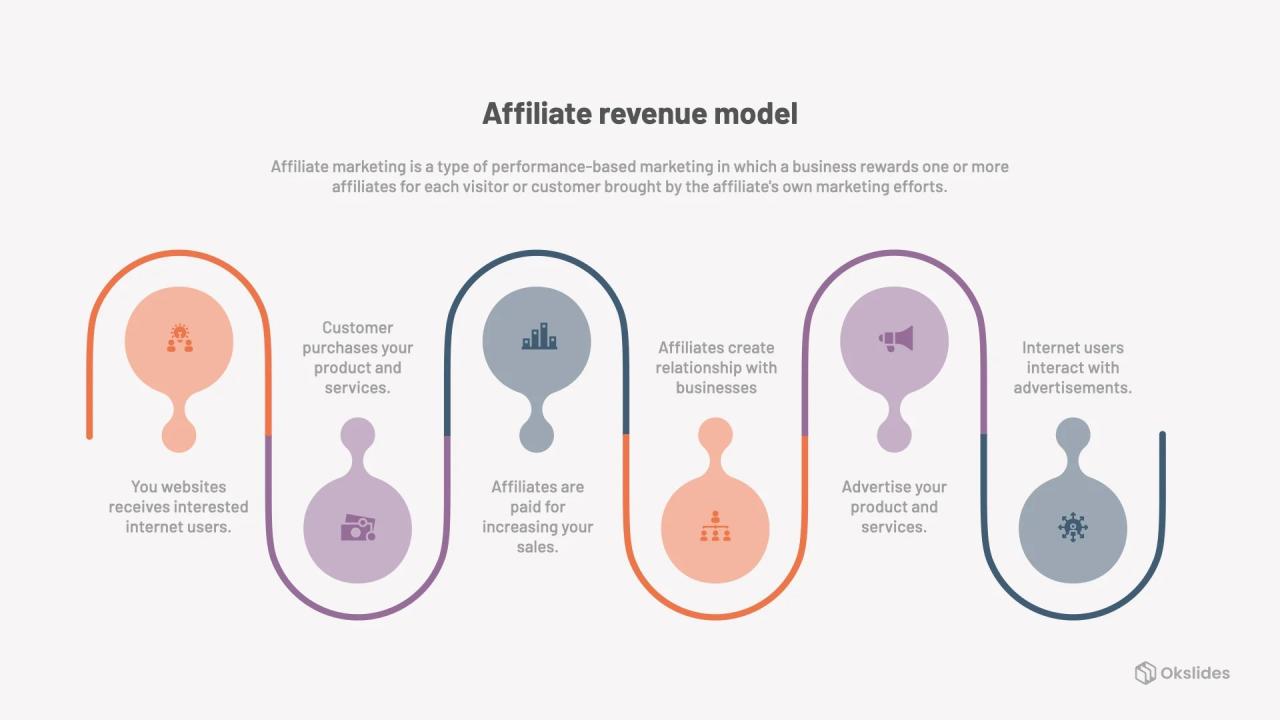
Affiliate revenue is a key component of the online marketing ecosystem, allowing businesses to leverage partnerships for increased sales and exposure. Essentially, it involves a commission-based model where an affiliate promotes a product or service and earns a percentage of the sales generated through their referral. This model has gained significant traction in the digital age, providing a low-risk opportunity for companies to expand their reach while offering affiliates a chance to monetize their platforms.Successful affiliate programs are characterized by their structured business models and effective strategies.
For instance, Amazon Associates is one of the most renowned affiliate programs, offering a vast array of products across numerous categories. Affiliates earn commissions ranging from 1% to 10% based on the product category, allowing them to choose products that resonate with their audience. Another notable example is ClickBank, which specializes in digital products like eBooks and online courses. Here, affiliates can earn commissions upwards of 50%, making it an attractive option for those in the digital space.
These programs highlight the effectiveness of tailored commission structures and diverse product offerings in driving affiliate success.Several factors significantly influence affiliate revenue, primarily focusing on traffic sources and niche selection. The origin and quality of traffic play crucial roles in determining conversion rates. For instance, targeted traffic from social media platforms or niche-specific forums often results in higher engagement and sales compared to generic traffic.
Selecting the right niche is equally vital; niches with passionate audiences tend to yield better results. Affiliates should assess the competition within their chosen niche and identify unique selling propositions that distinguish their marketing efforts.
- Traffic Quality: Higher-quality traffic typically converts better, leading to increased revenue.
- Niche Selection: A well-defined niche with an engaged audience can significantly boost affiliate earnings.
- Content Strategy: Creating valuable, relevant content can drive more traffic and encourage conversions.
- Marketing Channels: Utilizing various channels such as blogs, social media, and email marketing can diversify traffic sources.
The success of affiliate revenue streams largely hinges on understanding your audience and delivering tailored content that meets their needs.
Exploring Ad Revenue
Ad revenue is a crucial aspect of online monetization, providing a diverse array of models that can cater to various business needs and objectives. By understanding the different ad revenue models, marketers and content creators can optimize their strategies to maximize earnings effectively. This section delves into the key models and their efficacy, shedding light on the dynamics between traditional display ads and native ads, as well as a comparative analysis of potential earnings across platforms and industries.
Types of Ad Revenue Models
Ad revenue can be categorized into several models, each with its unique structure and payout system. Here are the primary models used in the industry:
- Cost Per Mille (CPM): This model pays advertisers based on every thousand impressions of an ad. Advertisers benefit from brand visibility, while publishers earn revenue as their content is viewed.
- Cost Per Click (CPC): Advertisers pay only when a user clicks on their ad. This model incentivizes driving traffic to the advertiser’s site, making it a popular choice for performance-driven campaigns.
- Cost Per Acquisition (CPA): This model charges advertisers when a specific action, such as a sale or sign-up, is completed. It ensures that advertisers only spend on successful conversions, making it highly efficient for driving measurable results.
Understanding these models allows businesses to choose the one that aligns with their goals, whether they aim for brand awareness or conversions.
Effectiveness of Display Ads versus Native Ads
Both display ads and native ads hold significant potential for generating ad revenue, but their effectiveness can vary based on context and audience engagement. Display ads, often seen as banner ads on websites, typically have lower engagement rates. In contrast, native ads are designed to blend seamlessly with the content of the platform, making them less intrusive and more appealing to users.
Native ads often result in a 20-60% higher engagement rate compared to traditional display ads, enhancing their effectiveness in capturing user attention.
This difference highlights the growing trend of using native advertising as a primary revenue source. Businesses should consider their target audience and content type when deciding between these formats.
Comparative Earnings from Ad Revenue Across Platforms and Industries
The earnings potential from ad revenue can vary significantly depending on the platform and industry. Some platforms have higher CPM or CPC rates due to their audience demographics or niche markets. For example, finance and technology sectors typically command higher ad rates compared to lifestyle or entertainment sectors.
| Platform | Average CPM | Average CPC | Average CPA |
|---|---|---|---|
| Finance | $20 – $30 | $3 – $5 | $50 – $100 |
| Technology | $15 – $25 | $2 – $4 | $40 – $80 |
| Lifestyle | $5 – $15 | $1 – $2 | $20 – $40 |
| Entertainment | $3 – $10 | $0.50 – $1.50 | $10 – $30 |
This table illustrates the disparities in earnings potential, underscoring the importance of strategy in ad placements. By analyzing these dynamics, businesses can better navigate the ad revenue landscape and optimize their monetization strategies for greater success.
Related Topics and Insights
In exploring the dynamic landscape of online business revenue, it’s essential to delve into various related topics that significantly influence profitability and revenue generation. This section highlights key areas such as workers’ compensation, internet auctions, and the revenue generation methods of audio streaming services.
Workers’ Compensation in Online Businesses
Workers’ compensation plays a crucial role in safeguarding both employees and employers in an online business environment. It provides financial support for employees who suffer work-related injuries or illnesses, thereby fostering a safer workplace. This insurance not only protects employees but also minimizes the financial burden on businesses by covering medical expenses and lost wages. Companies that prioritize workers’ compensation can enhance their reputation, attract top talent, and ultimately impact their profitability positively.
A well-structured workers’ compensation plan can lead to smoother operations and less downtime due to injuries, which can be particularly beneficial for businesses relying on a remote workforce. Moreover, compliance with legal requirements around workers’ compensation can prevent costly penalties and lawsuits, further enhancing a company’s bottom line.
Internet Auctions as Revenue Sources
Internet auctions represent a unique revenue stream that can intertwine with affiliate and ad revenue. These platforms allow sellers to auction off products or services, often generating excitement and competition among buyers, which can lead to higher sale prices. Online auction sites can utilize affiliate marketing strategies to drive traffic and sales through partnerships with influencers and content creators, creating a symbiotic relationship between auction platforms and affiliate marketers.Furthermore, many auction websites generate ad revenue by displaying advertisements targeted at users based on their browsing behavior.
This dual revenue generation model can significantly amplify earnings, as successful auctions can lead to an increase in both affiliate commissions and advertising income. Examples include eBay, which incorporates advertising into its platform, allowing sellers to boost visibility while generating ad revenue.
Revenue Generation Methods of Audio Streaming Services
Audio streaming services employ various revenue generation methods, primarily relying on affiliate and ad revenue streams. Understanding these methods is essential for evaluating their business models and profitability.The revenue generation methods for these services can be categorized as follows:
- Subscription Fees: Many audio streaming platforms, such as Spotify and Apple Music, offer premium subscription plans that provide ad-free experiences and exclusive content. This model generates consistent revenue directly from users.
- Advertising Revenue: Free users are exposed to ads, allowing services like Pandora and Spotify to earn significant ad revenue. These platforms often use data analytics to target ads effectively, enhancing user engagement and maximizing returns.
- Affiliate Marketing: Audio streaming services may partner with brands to promote music-related products or services, earning a commission on sales generated through referrals, which adds another layer of revenue.
- Live Events and Merchandising: Some services expand their revenue streams by promoting live music events or offering artist merchandise, further capitalizing on their user base.
Each of these methods contributes to the overall financial health of audio streaming services. The combination of subscription and ad revenue ensures diversified income, reducing the risk associated with relying on a single revenue source. For instance, Spotify’s expansion into podcasting has also opened up new avenues for monetization, reflecting the evolving nature of the industry.
Concluding Remarks
In conclusion, the comparison of affiliate revenue versus ad revenue reveals that both models have unique advantages and challenges. By understanding their respective mechanisms and impacts on profitability, businesses can make informed decisions about which avenue to pursue. Whether you lean towards leveraging affiliate programs or optimizing ad placements, both paths hold potential for substantial returns when executed strategically.
FAQ Guide
What is affiliate revenue?
Affiliate revenue is the income generated by promoting products or services of other businesses and earning a commission for each sale or lead generated through your referral.
How does ad revenue work?
Ad revenue is earned by displaying advertisements on your website or platform, where you earn money based on clicks, impressions, or actions taken by users.
Which revenue model is generally more profitable?
Profitability can vary based on niche, audience engagement, and traffic, but affiliate revenue often has higher commission rates, while ad revenue can provide more consistent earnings.
Can I use both affiliate and ad revenue together?
Yes, many businesses successfully combine both revenue streams, using ads for immediate income while building affiliate partnerships for long-term gains.
What factors influence the success of affiliate revenue?
Key factors include traffic quality, niche selection, the relevance of products to your audience, and effective marketing strategies.


